
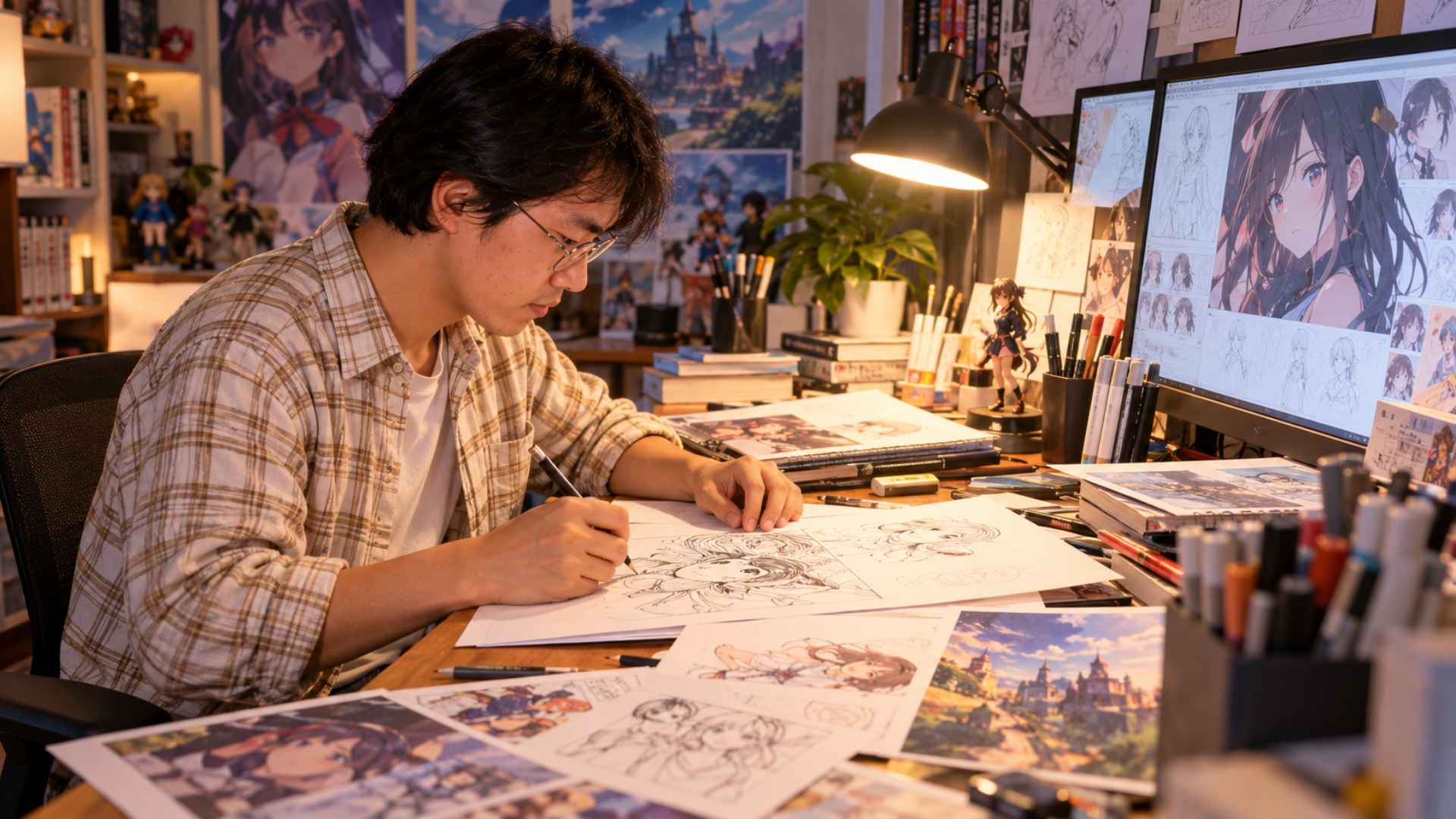
Anime adaptations have become an important part of modern entertainment, bringing beloved manga, light novels, video games, and other original works to life through animation. However, turning an existing story into a successful anime involves much more than reproducing familiar characters and memorable scenes. It requires thoughtful creative decisions that preserve the original appeal while taking advantage of animation as a storytelling medium. From visual composition to character development, every artistic element contributes to how audiences experience an adapted story. When these elements work together, an adaptation can satisfy longtime fans while attracting viewers who are experiencing the narrative for the first time.
The artistic choices behind successful anime adaptations often determine whether a series feels authentic, emotionally engaging, and visually distinctive. Directors, screenwriters, animators, and character designers must understand what makes the source material meaningful before deciding how to translate it into another format. Some adaptations remain faithful to the original narrative, while others introduce structural changes that improve pacing or strengthen emotional moments. Neither approach guarantees success on its own. The most effective adaptations recognize the strengths of their source material and reshape those strengths into a cohesive audiovisual experience that feels natural within the world of anime.
Understanding The Original Story Before Making Artistic Changes
A successful adaptation begins with a clear understanding of the original work’s themes, character motivations, and emotional foundation. Rather than copying every detail, creative teams need to identify the elements that define the story’s identity. In a manga adaptation, expressive panel layouts and carefully timed reveals may communicate tension or humor. In a light novel adaptation, internal monologues and descriptive passages often provide context that cannot be transferred directly into animation. Recognizing these differences helps the production team determine which details require visual representation, which can be conveyed through dialogue, and which can be simplified without damaging the narrative. This process creates a foundation for artistic decisions that respect the original vision.
Equally important is understanding the expectations of the existing fanbase without allowing those expectations to restrict every creative choice. Longtime readers may have strong emotional connections to particular scenes, relationships, or character designs. Preserving these recognizable elements can strengthen audience trust, but strict reproduction does not always produce the most effective animated experience. Some scenes benefit from additional movement, atmospheric sound, or extended pauses that were unnecessary in the original format. Other moments may need to be shortened to maintain narrative momentum. Successful anime adaptations balance familiarity with creative interpretation, ensuring that meaningful details remain intact while the story gains new dimensions through animation.
Visual Storytelling That Gives Characters And Worlds Identity
Visual storytelling is one of the most influential artistic choices in anime production because it allows emotions, relationships, and environments to communicate information without relying entirely on dialogue. Color palettes can establish a character’s personality, while lighting and composition can reveal changes in mood or signal an approaching conflict. A peaceful environment might feature soft colors and spacious backgrounds, whereas a threatening location could use sharp contrasts and confined framing. Character expressions, body language, and camera movement also help communicate emotions that words cannot fully capture. When these visual elements support the narrative, the anime develops a recognizable identity that strengthens audience engagement.
Balancing Narrative Faithfulness With Creative Freedom
Adapting a story for television requires careful decisions about structure, pacing, and the amount of source material included. Manga chapters or novel volumes may contain subplots that work well in print but become difficult to accommodate within a limited episode count. Writers must decide which scenes deserve additional attention and which can be condensed without weakening character development. Excessive changes may frustrate established fans, while excessive faithfulness can create repetitive scenes or awkward pacing. The strongest adaptations approach these decisions with a clear understanding of the story’s priorities, preserving its emotional core while adjusting the presentation to suit the rhythm and limitations of animated storytelling.
Character Design That Preserves Personality And Emotional Depth
Character design plays a central role in making familiar fictional personalities feel alive on screen. Artists must preserve recognizable features while ensuring that characters remain expressive across different movements, camera angles, and emotional situations. Small adjustments to proportions, facial expressions, hairstyles, and clothing can influence how a character is perceived without fundamentally changing their identity. Consistency is particularly important during emotionally intense scenes, when subtle changes in posture or expression may communicate insecurity, determination, or grief. Effective character design therefore extends beyond visual attractiveness. It creates a practical and expressive foundation that allows audiences to connect with the personalities driving the narrative.
Animation Direction That Strengthens Action And Emotion
Animation direction determines how movement contributes to the overall storytelling experience. Fast, dynamic sequences can communicate urgency during battles, while restrained movements and longer pauses can make quiet conversations feel more intimate. Not every scene needs elaborate animation to become memorable. A carefully timed glance, a trembling hand, or a character hesitating before speaking can carry considerable emotional weight when supported by thoughtful direction. Production teams must also decide where to concentrate their animation resources, especially when working with demanding schedules and limited budgets. By prioritizing scenes that require the greatest visual or emotional impact, directors can create a more balanced experience in which movement serves the story rather than functioning as decoration.
Music And Sound Design That Deepen Audience Immersion
Music and sound design add another dimension to anime adaptations by shaping the atmosphere and influencing how viewers interpret important moments. A carefully selected soundtrack can reinforce a character’s transformation, build anticipation before a confrontation, or provide emotional release after a difficult event. Sound effects also help establish physical presence, from the impact of a sword strike to the quiet ambience of a rainy street. Silence can be equally effective when used to emphasize uncertainty or allow an emotional revelation to resonate. When audio choices complement the visuals and narrative instead of competing with them, they create a more immersive experience that can distinguish an adaptation from its original medium.
Collaboration And Consistency Behind Memorable Anime Adaptations
Successful anime adaptations depend on collaboration between directors, writers, animators, background artists, editors, composers, and voice actors. Each department contributes a different perspective, but their work must support a shared creative direction. A character’s emotional development, for example, should remain consistent across the script, performance, animation, and soundtrack. If the dialogue communicates sadness while the visual direction suggests indifference, the scene may lose its intended impact. Clear communication helps production teams align these artistic elements and maintain a coherent atmosphere throughout the series. Strong creative leadership is especially valuable when different episodes involve multiple animation directors or production teams, because consistent standards help preserve the intended visual and emotional identity.
Consistency also extends to how an adaptation handles its themes, worldbuilding, and long-term character arcs. A visually impressive opening episode cannot sustain audience interest if later episodes abandon the narrative principles that initially made the story compelling. Successful productions maintain a clear understanding of their creative goals while allowing individual scenes to develop naturally. They also recognize that technical quality and artistic ambition must work together within realistic production constraints. Ultimately, the artistic choices behind successful anime adaptations are most effective when every decision serves a meaningful purpose. By combining respect for the source material with thoughtful visual interpretation, carefully managed pacing, expressive performances, and cohesive production design, anime creators can transform familiar stories into distinctive experiences that resonate with both dedicated fans and new audiences.