
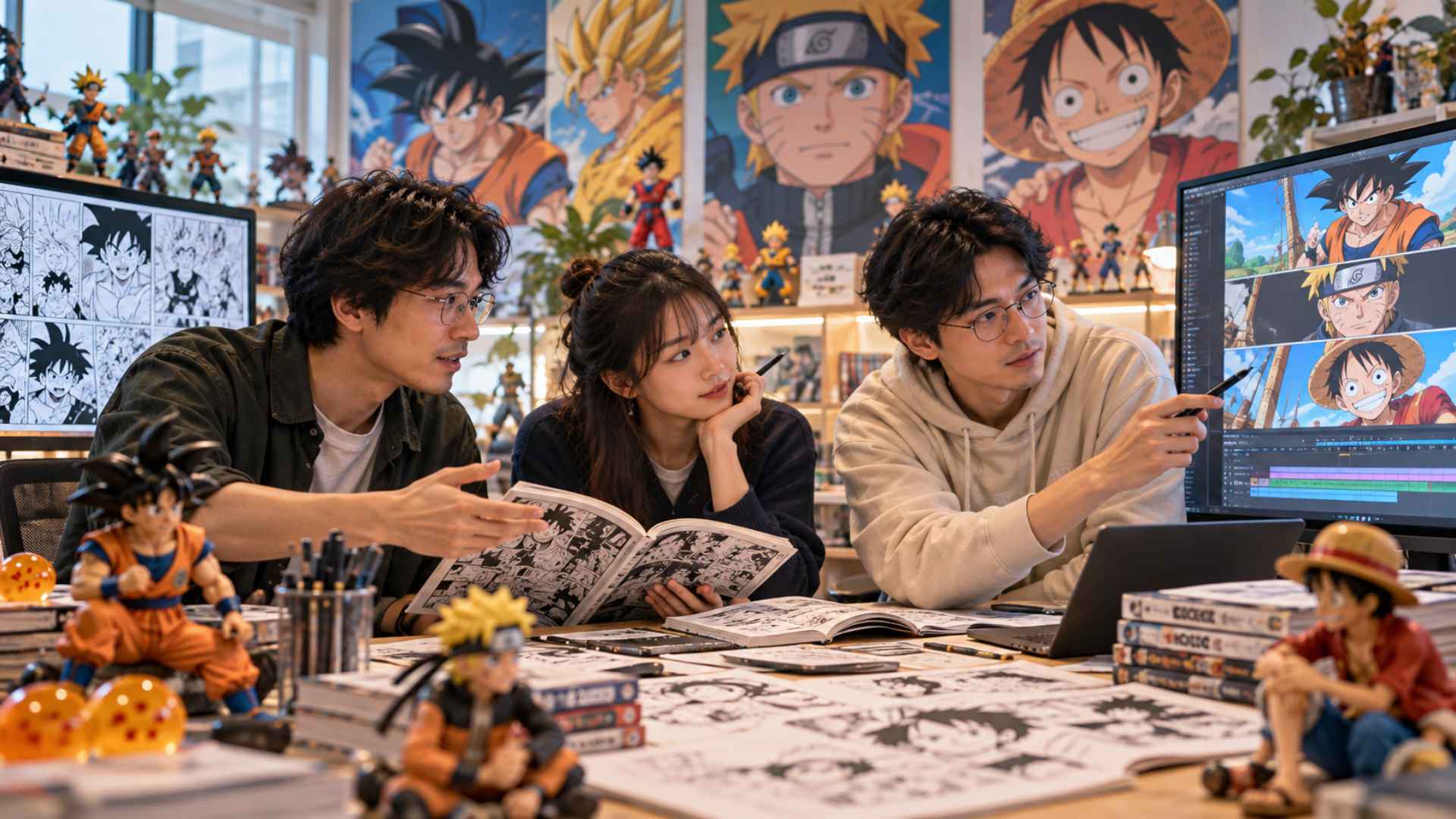
Stories can take on different forms depending on how artists present characters, emotions, and events to their audiences. Japanese popular culture offers two remarkable examples through manga and anime, which often share the same characters and narratives but communicate them in distinct ways. While manga relies on carefully arranged illustrations and written dialogue, anime brings stories to life through movement, sound, music, and voice performances. These creative choices influence how audiences understand a scene and connect with its characters. Although both formats can tell the same story, their visual storytelling techniques create different emotional experiences, making each medium valuable in its own right.
Understanding the relationship between these formats reveals how artistic decisions shape the audience’s imagination. manga gives readers the freedom to control their reading pace, study individual panels, and interpret visual details independently. anime, on the other hand, guides viewers through a sequence of animated images, using timing and audiovisual elements to strengthen the narrative. These differences extend beyond presentation and affect character development, dramatic tension, worldbuilding, and emotional impact. By examining how each medium communicates meaning, readers and viewers can better appreciate the creative techniques that make manga and anime distinctive forms of storytelling.
How Manga and Anime Present Stories Differently
Manga storytelling depends heavily on panel composition, linework, shading, and the relationship between images and dialogue. Artists arrange panels to control the flow of information, allowing readers to move quickly through an action sequence or pause over a meaningful expression. A close-up of a character’s eyes, for example, can communicate fear or determination without extensive dialogue. The space between panels also plays an important role because readers mentally connect separate images to understand movement and changes in time. Through these techniques, manga transforms still illustrations into an engaging narrative experience that encourages active interpretation.
Anime uses a different combination of visual and auditory techniques to communicate the same kinds of information. Character movements, camera angles, background animation, lighting, and sound effects work together to establish atmosphere and guide attention. A dramatic confrontation may become more intense through rapid cuts, shifting perspectives, and a powerful musical score. Even a quiet conversation can gain emotional depth through subtle facial movements and carefully timed pauses. Unlike manga, which leaves many sounds and movements to the imagination, anime presents these elements directly, giving creators greater control over the rhythm and immediate emotional response of a scene.
The Role of Panel Composition and Animation Timing
Panel composition shapes how manga readers interpret space, movement, and emotional emphasis. Wide panels can establish the scale of a location, while narrow panels can accelerate a sequence or highlight a brief reaction. Artists may also use overlapping images, exaggerated perspectives, or large illustrations that occupy an entire page to create dramatic emphasis. These choices encourage readers to examine the relationship between individual images rather than simply follow the dialogue. Because readers determine how long to spend on each panel, the pacing remains flexible, allowing a powerful image to hold attention for as long as its meaning requires.
Color, Lighting, and Visual Atmosphere
Color and lighting influence the emotional atmosphere of anime in ways that are often different from traditional black-and-white manga. Anime can use warm tones to create comfort, cool palettes to suggest isolation, and sudden changes in brightness to emphasize danger or revelation. Manga artists achieve comparable effects through contrast, hatching, texture, and the strategic use of empty space. Although some manga editions feature full color, many rely on monochrome artwork to communicate mood through shadows and composition. Both approaches demonstrate that atmosphere depends less on the number of colors available and more on how visual elements support the story.
Character Expressions and Emotional Communication
Facial expressions are essential to visual storytelling in both manga and anime, but each medium handles them differently. In manga, artists can exaggerate a character’s expression through bold lines, simplified features, or symbolic visual effects that immediately communicate embarrassment, anger, or surprise. Readers can revisit these images to notice small details that might initially escape their attention. Anime adds movement to facial expressions, allowing a smile to gradually disappear or a character’s eyes to shift before they speak. These subtle changes can communicate hesitation, hidden affection, or internal conflict without requiring additional dialogue, making character emotions feel immediate and dynamic.
Action Scenes and the Perception of Movement
Action sequences highlight one of the most noticeable differences between manga and anime storytelling. Manga artists suggest speed and impact through motion lines, distorted perspectives, dramatic poses, and carefully selected moments of contact. Readers mentally connect these images to reconstruct the action, creating a personal sense of movement. Anime presents that movement through continuous animation, camera tracking, impact sounds, and rhythmic editing. A fight scene can feel faster through quick cuts or more powerful through a brief pause before a decisive strike. However, animation quality and direction influence the result, meaning that a manga’s original intensity does not always translate perfectly to the screen.
Sound Design and the Power of Silence
Sound design gives anime another storytelling dimension that manga generally leaves to the reader’s imagination. Voice acting establishes personality through vocal tone, hesitation, and emotional intensity, while music can reinforce suspense or transform an ordinary moment into a memorable scene. Environmental sounds, such as rain, footsteps, or distant traffic, also make fictional settings feel more tangible. Manga communicates comparable experiences through visual symbols, written sound effects, and the arrangement of silent panels. A page without dialogue can create a powerful sense of loneliness or anticipation, just as a quiet anime scene can become meaningful through the absence of music. In both formats, silence and sound contribute to the emotional rhythm of the narrative.
Why Manga and Anime Create Different Audience Experiences
The differences between these mediums influence how audiences participate in a story. manga offers a more personal reading experience because individuals control the pace, interpret visual details, and imagine voices or background sounds. This freedom can make certain scenes feel intimate, particularly when the artwork contains subtle symbolism or carefully arranged panels. Readers can also revisit earlier pages to understand clues that become important later. anime creates a more directed experience by combining animation, dialogue, music, and editing into a coordinated presentation. Viewers follow the timing established by the production team, which can intensify suspense and make emotional moments feel immediate. Neither approach is inherently superior because each encourages a different relationship between the audience and the narrative.
Adaptations further demonstrate how visual storytelling changes when a story moves from manga to anime. Some scenes become more memorable through expressive voice performances, fluid movement, or original musical compositions, while others lose details that made the printed version distinctive. Production schedules, episode lengths, animation budgets, and adaptation choices can also affect pacing and visual consistency. For this reason, comparing both formats involves more than identifying which version is better. It requires examining how each creative decision serves the story’s themes, characters, and intended emotional impact. Ultimately, manga and anime remain complementary storytelling mediums, each capable of presenting familiar narratives through its own artistic strengths and visual language.