
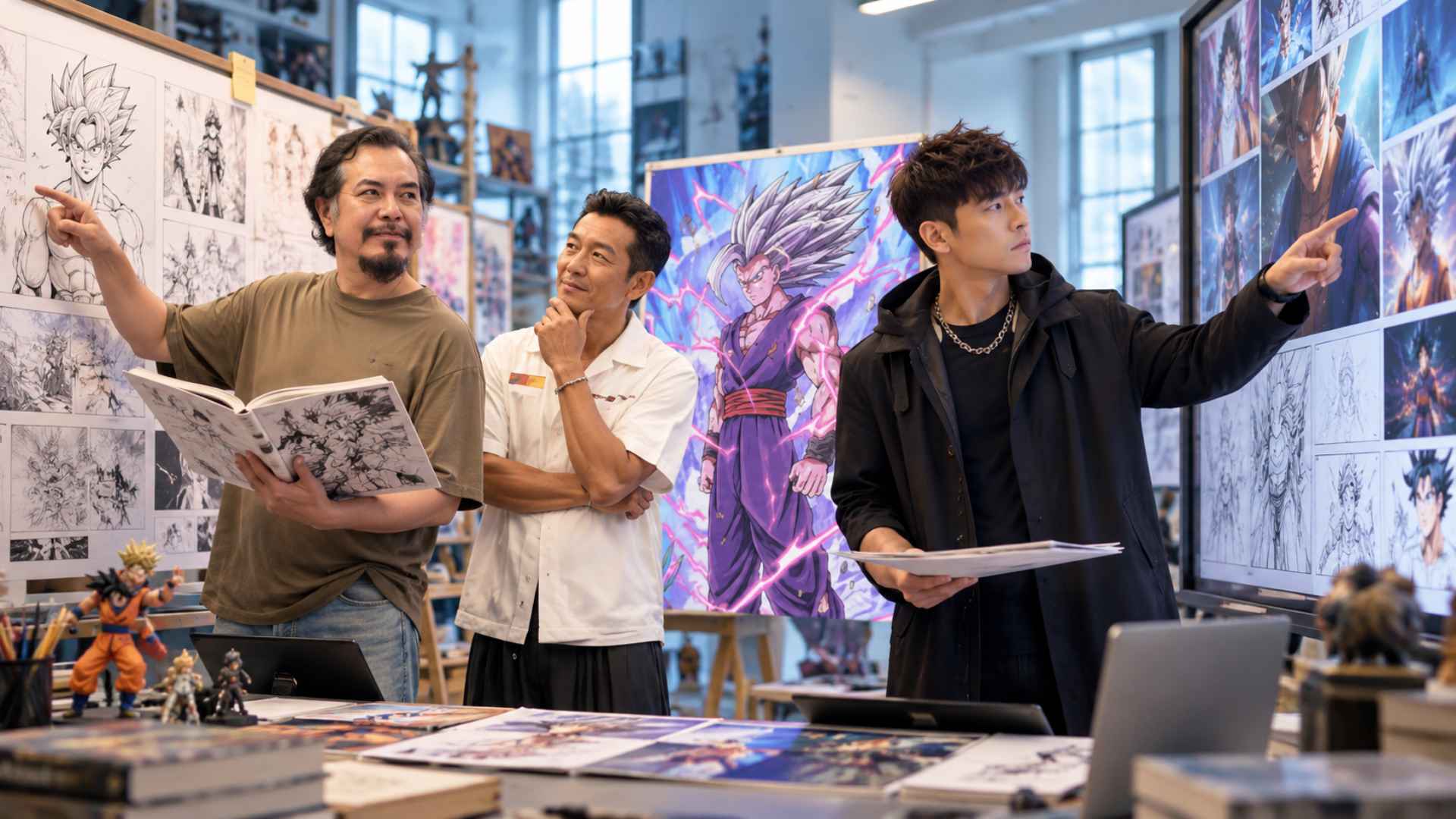
Japanese comics have captivated readers around the world through expressive artwork, memorable characters, and stories that balance entertainment with emotional depth. From action packed adventures to intimate dramas, these illustrated narratives offer a distinctive storytelling experience shaped by panel composition, visual symbolism, and carefully paced dialogue. As audiences increasingly consume stories through animation, live action productions, digital platforms, and interactive media, creators face new opportunities to reinterpret familiar material. Each format introduces different artistic possibilities while demanding a thoughtful understanding of the original work. Successful adaptations preserve the qualities that make a story meaningful while reshaping its presentation to suit a new audience and viewing experience.
The process of adapting Japanese comics for a new visual medium involves more than reproducing recognizable characters or transferring illustrated scenes onto a screen. It requires creative decisions about narrative structure, visual language, character development, and emotional pacing. What works perfectly within a printed page may need substantial revision when presented through movement, sound, or live performance. At the same time, new formats can reveal aspects of a story that readers might interpret differently in its original form. By combining respect for the source material with innovative production techniques, adaptation teams can create experiences that feel authentic yet distinct, allowing established stories to remain relevant in an evolving entertainment landscape.
Understanding the Artistic Identity of Japanese Comics
Japanese comics, commonly known as manga, possess a visual language that communicates information through more than dialogue alone. Facial expressions, exaggerated movements, background details, panel transitions, and visual metaphors help establish mood and convey character emotions. A single illustration can suggest fear, excitement, loneliness, or determination without requiring extensive explanation. Many manga stories also rely on distinctive reading rhythms, using silent panels and sudden changes in composition to control tension. When adapting these elements, creators must understand how the original artwork communicates meaning before deciding which details should be preserved, transformed, or omitted. This artistic awareness provides a foundation for maintaining the story’s identity across different formats.
Another important consideration is the relationship between cultural context and visual storytelling. Japanese comics frequently incorporate social expectations, school environments, workplace traditions, historical references, and genre conventions that influence how characters behave. International audiences may interpret these elements differently, making contextual sensitivity essential during adaptation. However, simplifying cultural details solely to appeal to a broader market can weaken the narrative’s authenticity. A stronger approach presents unfamiliar traditions through natural storytelling, character interactions, and carefully designed settings. This allows new viewers to understand the world without removing the cultural characteristics that distinguish the original work. Preserving this balance helps adaptations connect with diverse audiences while maintaining the creative perspective of their Japanese origins.
Translating Panel Composition Into Moving Images
One of the greatest challenges in manga adaptation is transforming static panels into sequences that unfold over time. In printed comics, readers control their pace, linger over illustrations, and interpret transitions between images independently. Film and animation establish a more controlled viewing rhythm through editing, camera movement, framing, and sound. An adaptation team must determine how long a scene should last, where attention should be directed, and when information should be revealed. Recreating every panel literally can produce awkward pacing, while changing too much may remove the visual emphasis that made a moment memorable. Effective adaptation therefore translates the purpose of each composition rather than simply copying its appearance.
Preserving Character Development and Emotional Depth
Characters often provide the emotional foundation of Japanese comics, particularly in long running stories where relationships evolve gradually. Their motivations, personal struggles, and reactions to difficult circumstances can be more important than the events surrounding them. When adapting these narratives, writers and directors need to identify the emotional turning points that define each character’s journey. Some internal thoughts may require dialogue, visual gestures, or carefully constructed scenes to become understandable on screen. Other moments benefit from silence, allowing an actor’s expression or an animated character’s movement to communicate feelings naturally. Maintaining these emotional foundations helps audiences form meaningful connections with the characters, even when the adaptation changes the original sequence of events.
Adapting Dialogue and Inner Monologues for Screen
Dialogue in manga frequently works alongside thought bubbles, narration boxes, and expressive illustrations to communicate a character’s perspective. In a visual production, presenting every internal thought through spoken dialogue can make scenes feel unnatural or overly explanatory. Adaptation writers must decide which thoughts should become conversations, which can be conveyed through facial expressions, and which deserve a voice over. Strategic use of silence can also strengthen emotional scenes by giving viewers time to interpret a character’s behavior. The goal is to preserve the information and emotional intention of the original writing without making the new medium feel dependent on constant explanation.
Maintaining Visual Consistency Across Characters and Settings
Visual consistency plays an essential role in helping audiences recognize characters and understand their fictional environments. Hair styles, clothing, color palettes, body proportions, and signature accessories may carry narrative significance beyond their decorative appearance. In animation, these details require coordinated character design, background artwork, and movement techniques. Live action adaptations face additional challenges because costumes, practical locations, lighting, and casting must work together to create a believable interpretation. Creative teams should identify the visual characteristics most closely associated with each character before developing a production style. This approach supports recognizable designs while allowing practical adjustments that suit the requirements of the chosen format.
Balancing Creative Freedom With Source Material Fidelity
Every adaptation involves a degree of interpretation, and creative freedom can help a familiar story reach its full potential in a different medium. Certain scenes may need to be shortened, supporting characters may require revised roles, and separate storylines may need to be combined to fit a limited runtime. These changes become effective when they reinforce the central themes, character motivations, and narrative direction of the original work. Problems arise when alterations prioritize spectacle or market trends at the expense of the story’s emotional logic. A successful adaptation team evaluates each creative decision according to its purpose, ensuring that new ideas strengthen the narrative instead of replacing its defining qualities.
Using Technology to Expand Visual Storytelling
Modern production technology has significantly expanded the possibilities for adapting Japanese comics. Digital animation tools, virtual production environments, motion capture, and advanced visual effects allow creators to represent imaginative settings and complex action sequences with greater flexibility. These technologies can reproduce the atmosphere of fantasy worlds, futuristic cities, and supernatural battles while introducing new visual interpretations. However, technical sophistication alone does not guarantee an effective adaptation. Excessive effects may distract viewers from character relationships, while inconsistent movement or lighting can reduce immersion. Production teams should choose tools that support the story’s artistic direction, using technology to clarify action, establish atmosphere, and strengthen emotional impact rather than treating it as the primary attraction.
Audience expectations also influence how technology is applied across different platforms. Streaming services encourage serialized storytelling, while theatrical productions often emphasize visual scale and concentrated emotional climaxes. Interactive formats introduce additional possibilities by allowing audiences to influence certain events or engage with fictional environments. Each platform requires a different approach to pacing, presentation, and audience participation. Creators who understand these differences can make informed decisions about episode structure, scene length, visual detail, and narrative complexity. Rather than assuming that one adaptation model suits every project, production teams should evaluate the strengths of each medium and build a coherent experience around them.