
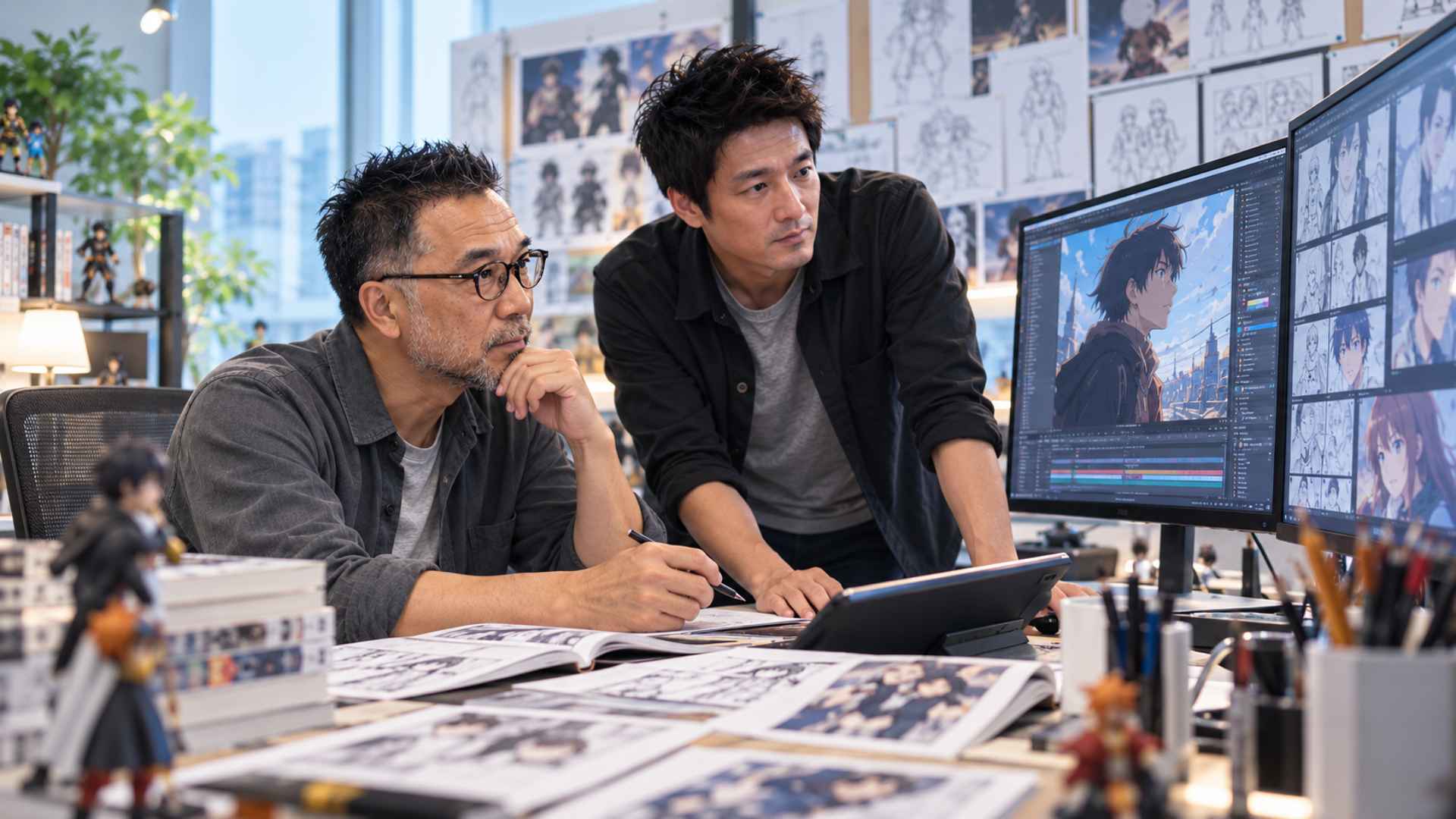
Japanese entertainment has built a global audience through stories that move between different forms of media. Manga and anime are among the most influential examples of this creative relationship, offering audiences different ways to experience the same characters, conflicts, and fictional worlds. Although both formats share many storytelling traditions, they use distinct techniques to communicate emotions, develop characters, and maintain audience interest. The transition from printed pages to animated screens often introduces changes that influence how a story unfolds and how viewers connect with its themes.
The process of adapting manga into animation involves more than reproducing illustrations with movement and sound. Creators must reconsider pacing, dialogue, visual composition, and narrative structure to suit a new medium. Some adaptations follow their source material closely, while others rearrange events, introduce original scenes, or expand supporting characters. These creative decisions can reshape the audience’s understanding of a story without necessarily changing its central message. Examining these differences reveals how manga to anime adaptations transform familiar narratives into experiences that feel distinct while preserving the essence of the original work.
How Visual Storytelling Changes Between Manga and Anime
Manga communicates through carefully arranged panels, expressive artwork, and the relationship between images and written dialogue. Readers control the pace of the experience, deciding how long to study a dramatic illustration or when to move to the next panel. A single page can convey tension through empty space, unusual panel layouts, or detailed facial expressions. This freedom allows readers to interpret emotional moments at their own speed, making the reading experience personal and flexible.
Anime introduces movement, sound, color, and voice acting to communicate similar ideas through a more controlled presentation. A quiet expression can become more powerful when accompanied by subtle music, a trembling voice, or a prolonged pause. Background animation can establish atmosphere, while lighting and camera movement direct attention toward important details. However, animation also requires decisions about timing and visual continuity. A sequence that occupies only a few manga panels might become an extended scene, allowing viewers to experience its emotional significance differently. These changes demonstrate that visual storytelling depends not only on what audiences see but also on how information reaches them.
The Influence of Pacing on Narrative Development
Pacing is one of the most noticeable differences between printed manga and animated adaptations. Manga can move quickly between major events because readers determine their own reading speed and can skip familiar details when necessary. Anime follows a predetermined timeline, which means every scene must occupy a certain amount of screen time. As a result, adaptation teams frequently adjust dialogue, expand important encounters, or shorten less essential sequences to maintain a satisfying rhythm.
The pacing of an adaptation can also affect suspense and emotional engagement. A confrontation that feels immediate in manga may become more intense in animation through strategic pauses, dramatic music, and carefully timed reactions. Conversely, excessive repetition or unnecessarily extended scenes can weaken the impact of an otherwise exciting moment. Successful adaptations balance these possibilities by giving meaningful events enough room to develop without sacrificing narrative momentum. This balance becomes particularly important in long running series, where maintaining audience interest across multiple episodes requires consistent attention to structure and timing.
Character Development and Emotional Expression in Animation
Character development often changes subtly when a story moves from manga to anime. Printed narratives rely heavily on dialogue, narration, and illustrations to communicate motivation, personality, and internal conflict. Animation can express the same qualities through vocal delivery, body language, movement, and silence. A character who appears emotionally distant on the page may seem more vulnerable when an actor introduces hesitation into their voice or when animation reveals a brief change in facial expression.
These additional elements can deepen an audience’s understanding of relationships and personal struggles. Voice actors interpret characters through tone, rhythm, and emotional intensity, giving familiar dialogue a new dimension. Music can also reinforce important turning points, although it may sometimes make emotions more explicit than they were in the original manga. When handled carefully, these creative choices strengthen characterization while respecting the original intentions of the author. When handled poorly, they can make characters seem inconsistent or reduce the subtlety that made the source material compelling.
Voice Acting and Dialogue Bring Characters to Life
Voice acting gives animated characters recognizable personalities through pronunciation, emotional emphasis, and vocal texture. A single line of dialogue can communicate confidence, insecurity, anger, or affection depending on how it is performed. This interpretation adds another layer to characterization, particularly when a story depends on complicated relationships or unspoken feelings. Adaptations may also adjust dialogue to create more natural conversations or accommodate the timing of animated scenes. Although these changes can improve accessibility, preserving the original meaning remains essential to maintaining character authenticity.
Music and Sound Design Strengthen Emotional Moments
Sound design creates an atmosphere that printed artwork cannot reproduce in the same way. Background music can build anticipation before a major confrontation, while silence can make a revelation feel unexpectedly personal. Environmental sounds, from footsteps to distant explosions, help establish the physical reality of fictional settings. Musical themes associated with particular characters can also reinforce emotional connections throughout a series. However, sound must complement rather than overwhelm the narrative. When every dramatic moment receives intense musical treatment, quieter scenes may lose their natural emotional contrast and subtlety.
Animation Expands Action and World Building
Animation allows creators to present movement, scale, and environmental detail with a sense of immediacy that differs from static illustrations. Complex battles can become fluid sequences that reveal fighting styles, physical limitations, and tactical decisions. Landscapes can feel more immersive through moving weather, changing light, and atmospheric effects. These additions sometimes expand the original material by showing events that manga only suggests through a few panels. Nevertheless, elaborate animation is not always necessary for effective storytelling. Carefully composed movement and clear visual direction can communicate more than constant action, especially when a scene depends on character choices rather than spectacle.
Creative Changes That Shape the Adaptation Experience
Changes to the original storyline can significantly influence how audiences perceive an adaptation. Some anime productions rearrange events to create stronger episode endings, introduce additional scenes to clarify motivations, or condense story arcs to fit a limited broadcast schedule. Others develop original endings when the manga has not progressed far enough to provide a suitable conclusion. These decisions can make an adaptation more accessible to newcomers, but they may also alter character relationships, remove important context, or create inconsistencies with the source material.
The most effective creative changes serve a clear narrative purpose rather than simply making the anime different. A rearranged scene might improve suspense, while additional character interactions can strengthen relationships that received limited attention in the manga. Studio decisions, production schedules, episode counts, and audience expectations all influence these outcomes. For fans familiar with the original work, differences can encourage meaningful comparisons between the two versions. For newcomers, the anime may become their primary introduction to the story. Both experiences can be valuable when the adaptation maintains thematic consistency and gives its characters believable motivations.
Why Manga and Anime Can Offer Distinct but Valuable Experiences
Manga and anime are connected by shared stories, yet each medium provides its own strengths. Manga gives readers greater control over pacing and encourages close attention to artistic composition, symbolism, and visual details. Anime combines images with motion, sound, performance, and timing to create a more directed audiovisual experience. Neither format automatically provides a better version of a story because their effectiveness depends on the creative goals, execution, and expectations surrounding each work.
Ultimately, adapting a story between these mediums is an interpretive process that requires both respect for the original material and an understanding of animation as an independent art form. Changes in pacing, characterization, sound, and narrative structure can reshape familiar moments while revealing possibilities that printed pages cannot fully express. Rather than judging every difference as a mistake, audiences can consider how each version communicates its central ideas. When creators balance innovation with narrative integrity, the result can stand alongside the original manga as a compelling and meaningful interpretation of the same fictional world.