
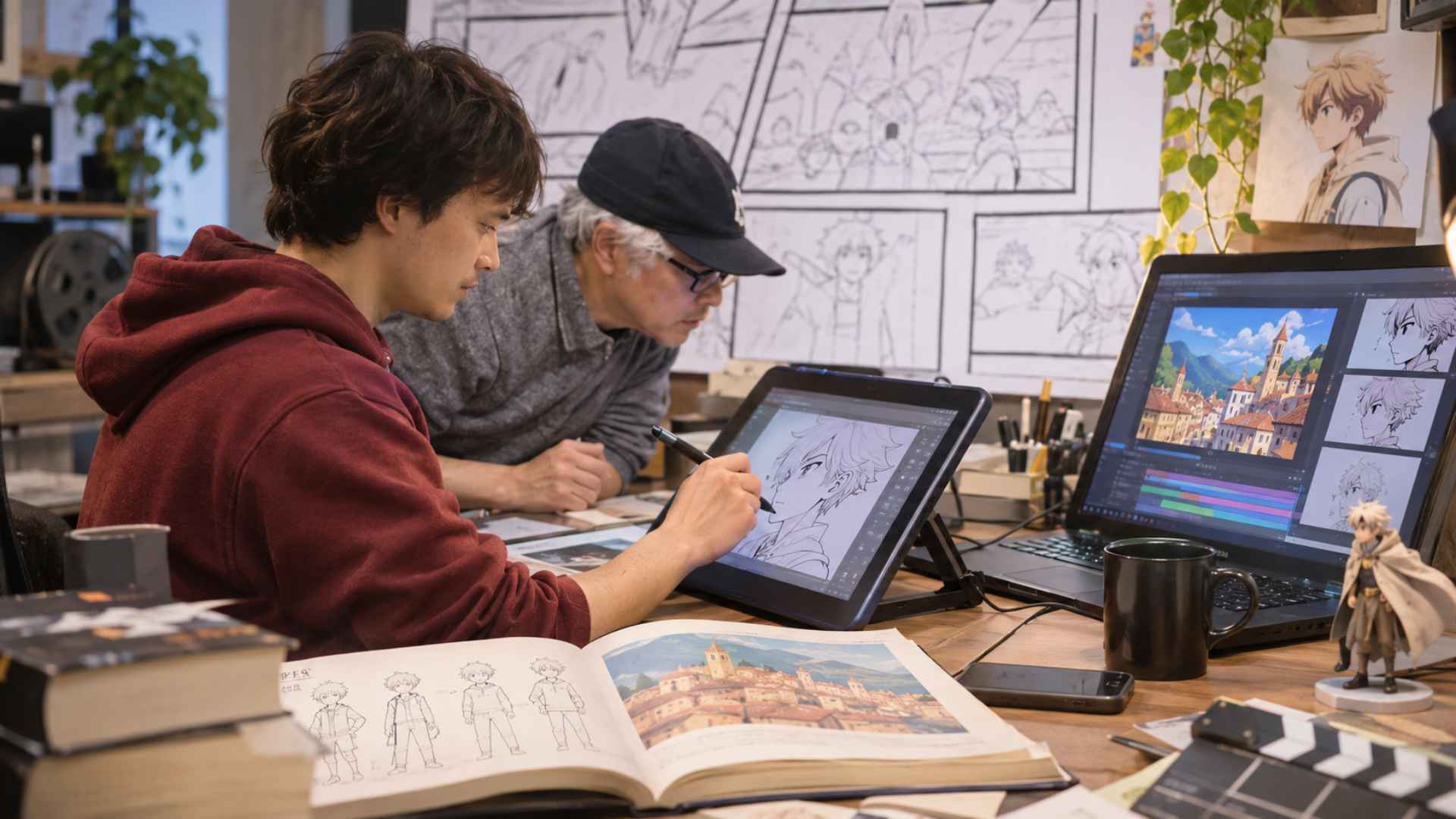
Stories have a special way of staying with us, whether they come from the pages of a book or appear on a glowing screen. Over the years, many popular stories have moved from printed books into animated films and series, bringing familiar characters and unforgettable moments to life in a new way. This journey shows how creative storytelling can grow beyond its original form while keeping the heart of the story alive.
Turning a written story into animation is more than simply drawing what happens in a book. It takes imagination, creativity, and careful planning to transform words into moving images. From character design to visual storytelling, every detail plays an important role in creating an animated world that feels fresh and meaningful.
The Creative Journey From Books to Animation
Books give readers the freedom to imagine characters, places, and events in their own way. Every reader may picture the same scene differently, making printed stories feel personal and unique. When these stories become animated productions, artists take those written descriptions and turn them into visual experiences. Colors, movements, expressions, and backgrounds help audiences connect with the story through a different perspective.
The adaptation process also requires creative decisions about which parts of the original story should remain and which ones need to change. Some scenes may work perfectly on paper but feel too slow or complicated on screen. Animation allows creators to adjust the pacing, introduce visual details, and build stronger emotional moments. The goal is to make the story enjoyable for both longtime readers and people experiencing it for the first time.
Bringing Written Characters to Life Through Animation
One of the most exciting parts of adapting a book is seeing familiar characters take on a visual identity. A character that was once described through words can now move, speak, and show emotions through facial expressions. Animators use shapes, colors, clothing, and body language to create designs that reflect each character’s personality. These creative choices help audiences recognize and connect with the characters more easily.
Animation also gives creators the chance to show emotions and personalities in ways that written descriptions cannot always capture directly. A small smile, a nervous movement, or a dramatic reaction can communicate feelings within seconds. However, staying true to the original character is still important. Even when the visual design changes, the character’s main personality, motivations, and relationships should remain recognizable.
Character Design That Respects the Original Story
Character design plays a major role in making an adaptation successful. Artists often use descriptions from the original book as a starting point before adding their own visual ideas. Hairstyles, outfits, colors, and physical features are carefully selected to match the character’s personality and role in the story. A good design makes characters feel familiar while giving them a fresh appearance that works naturally in animation.
Creating Visual Settings That Match the Story
The setting is another important element when transforming printed pages into animated worlds. A book may describe a magical forest, a busy city, or a mysterious castle using only a few sentences. Animation turns these descriptions into detailed environments filled with colors, lighting, textures, and movement. These visual elements help establish the atmosphere and make fictional locations feel more believable. They also give audiences a clearer sense of the world where the story takes place.
Keeping Emotions Alive Through Movement and Sound
Animation brings emotional moments to life through more than just pictures. Voice acting, background music, sound effects, and character movements all work together to create a stronger connection with viewers. A quiet conversation can feel touching through gentle expressions and soft music, while an action scene can become more exciting through fast movements and energetic sound effects. These details help preserve the emotional impact of the original story while making the animated version feel unique.
Balancing Original Ideas With Creative Changes
Adapting a book into animation often means finding the right balance between staying faithful to the source material and adding something new. Some stories need small adjustments to fit the length and style of an animated film or series. Certain scenes may be shortened, supporting characters may receive more attention, or new visual moments may be added to improve the flow. These changes can make the adaptation more suitable for a different audience without removing the main message of the original work.
A successful adaptation does not always need to copy every detail from the printed version. What matters most is keeping the story’s spirit, important relationships, and emotional meaning intact. When creators understand what makes the original story special, they can make creative changes without losing its identity. This is what makes the journey from printed pages to animated worlds such an interesting part of modern entertainment. It allows familiar stories to reach new audiences while giving old fans another reason to enjoy them.